
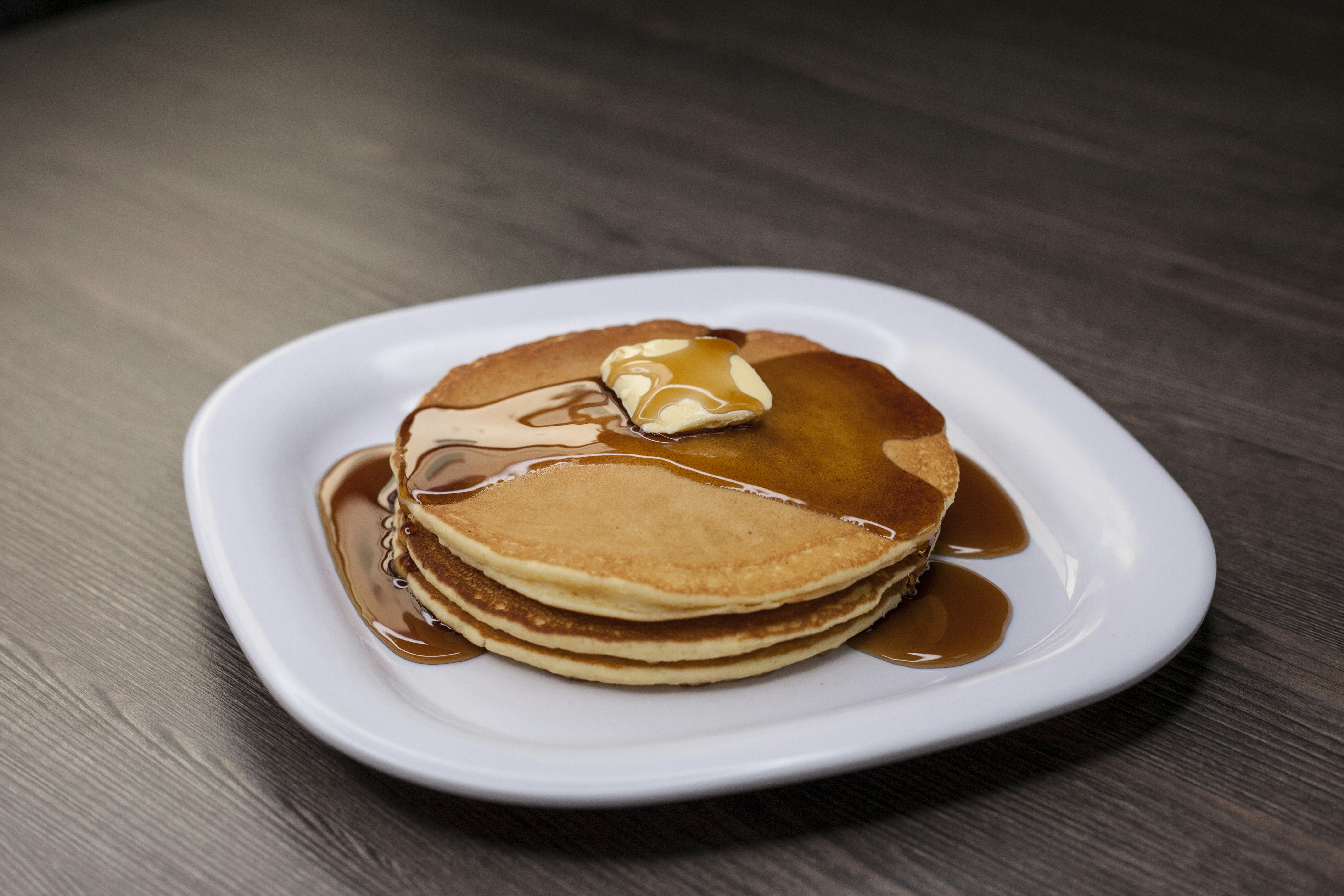
Introduction to Pancakes
Pancakes are one of the most cherished breakfast items enjoyed globally, with a rich history that traces back thousands of years. The origins of pancakes can be found in ancient civilizations, as early as 500 BC, where early versions were made from a mixture of grains and water cooked on hot stones. Historical records indicate that the ancient Greeks and Romans prepared a similar breakfast dish that could be considered the precursor to modern pancakes. They called them “tagenites” and often accompanied them with honey and cheese, showcasing a sweet and savory component that resonates with today’s culinary preferences.
As time progressed, pancakes transformed significantly, adapting to local ingredients and culinary practices. By the Middle Ages, with the introduction of wheat, pancakes began to resemble the fluffy versions we are familiar with today. Across different cultures, pancakes took on various names and forms. For example, in France, the popular crepe is a thin version, while in Germany, one might encounter the thick, hearty Pfannkuchen. In the United States, pancakes became a staple breakfast item, featuring prominently in diners and family homes alike, often accompanied by maple syrup, fruits, or whipped cream.
Today, pancakes are not just limited to the breakfast table; they are celebrated worldwide in various forms. From savory options like Ethiopian injera, a sourdough flatbread served with lentils, to sweet treats such as Japanese okonomiyaki, which combines batter with ingredients like vegetables and seafood, this versatile dish has transcended cultural boundaries. The varied styles of pancakes highlight not only regional tastes but also the enduring appeal of this universal comfort food, making pancakes a beloved choice for any meal or occasion.
What Makes Maple Syrup Special?
Maple syrup is a natural sweetener derived from the sap of sugar maple trees. The enchanting journey from sap to syrup begins in late winter and early spring when temperatures fluctuate between freezing nights and warm days. This temperature variation creates pressure in the trees, causing the sap to flow. The collected sap is then boiled down to remove excess water, leaving behind the rich, concentrated syrup that we know and love. This meticulous process not only underscores the artisanal nature of maple syrup production but also highlights its unique qualities that elevate it above other sweeteners.
The flavor profile of maple syrup is complex and multifaceted. It offers a pleasant balance of sweetness with earthy undertones, providing a depth of flavor that can transform any dish. The syrup can vary in color and taste depending on the time of season it is harvested, ranging from light golden to dark amber. This variety allows chefs and home cooks alike to select the best syrup for their specific culinary needs, enhancing the sensory experience of dishes, particularly pancakes.
Beyond its delightful taste, maple syrup is celebrated for its health benefits. Unlike refined sugar, maple syrup contains a plethora of nutrients, including antioxidants, vitamins, and minerals such as zinc and manganese. These components contribute to its status as a healthier alternative to processed sweeteners. Furthermore, it has a lower glycemic index than table sugar, making it a more suitable choice for individuals looking to maintain balanced blood sugar levels. Its natural composition means that it can enrich not only the flavor of pancakes but also provide a more wholesome addition to one’s diet.
Pancake Variations: Classic to Gourmet
Pancakes have long been a beloved breakfast choice, offering versatility that caters to various tastes and dietary preferences. At the heart of this culinary staple is the classic buttermilk pancake, known for its fluffy texture and mildly tangy flavor. These pancakes are typically made from simple ingredients like flour, eggs, milk, and baking powder, which create a light and airy outcome. When served with a generous drizzle of maple syrup, classic buttermilk pancakes deliver a delightful breakfast experience that many cherish.
However, the world of pancakes doesn’t end with the traditional version. As culinary creativity flourishes, various gourmet variations have emerged, each introducing unique ingredients and flavors. Chocolate chip pancakes are a popular choice among those with a sweet tooth. The combination of rich chocolate and fluffy batter results in a dessert-like breakfast that is hard to resist. For a fruity twist, blueberry pancakes incorporate fresh or frozen blueberries, contributing both flavor and a hint of natural sweetness.
Vegan pancakes are another exciting alternative, appealing to individuals following plant-based diets. Made with ingredients such as almond milk, banana, and flaxseed, these pancakes offer a rich taste without any animal products. Moreover, experimenting with spices, such as cinnamon or vanilla extract, can elevate the flavor profiles of pancakes, providing an added layer of complexity to this simple dish.
Beyond these variations, adventurous gourmets have begun to explore unexpected ingredients, like matcha powder for a vibrant green hue and earthy flavor, or even savory options featuring herbs and cheese. This diversity in pancake recipes not only enhances breakfast choices but also showcases how different flavors and ingredients can create a truly irresistible breakfast experience. Whether one prefers the traditional or the gourmet, pancakes can undoubtedly cater to every palate.
Perfecting the Pancake Batter
To create light, fluffy pancakes that perfectly complement maple syrup, the preparation of the pancake batter is crucial. It starts with selecting the right ingredients. The foundation of any pancake batter includes flour, baking powder, milk, eggs, and a fat source such as melted butter or oil. For optimal results, consider using all-purpose flour, which has a balanced protein content, providing the necessary structure while maintaining tenderness. Additionally, ensure your baking powder is fresh, as old leavening agents can result in dense pancakes.
When it comes to mixing, the method plays a significant role in the final texture. Begin by whisking dry ingredients—flour, sugar, and baking powder—together in one bowl. In a separate container, combine the wet ingredients, including milk, eggs, and melted butter. It is vital to avoid overmixing the batter; mixing just until the ingredients are combined is key. A few lumps are perfectly acceptable. Overmixing can develop gluten in the flour, leading to tough pancakes instead of the desired lightness.
Another essential technique is allowing the pancake batter to rest. This simple step enables the flour to fully hydrate and permits the gluten to relax, contributing to a softer pancake. Allowing the batter to rest for about 10 to 30 minutes can significantly enhance the texture. During this time, bubbles form from the baking powder, which will aid in achieving that light, airy quality. If your batter thickens during resting, feel free to add a splash of milk to achieve the desired consistency before cooking.
Finally, using a hot griddle ensures even cooking. Test the heat by sprinkling a few drops of water; they should sizzle and evaporate quickly. By following these tips, you will have perfected your pancake batter, leading to delightful stacks of pancakes that are just waiting for a drizzle of maple syrup.
Cooking Techniques for Perfect Pancakes
Mastering the art of cooking pancakes requires an understanding of various cooking techniques that can yield delicious results. The most common method is using a stovetop skillet, which allows for precise control over the cooking temperature. To achieve perfectly cooked pancakes, heat the skillet over medium to medium-high heat and lightly grease it with butter or oil to prevent sticking. Pour a small amount of batter onto the skillet and cook until bubbles form on the surface, indicating it is time to flip. This method is favored by many for its simplicity and ability to produce golden-brown pancakes with a delightful texture.
Another popular cooking technique is the griddle, which provides a larger cooking surface that is ideal for preparing multiple pancakes simultaneously. Griddles can be preheated to a consistent temperature, offering even cooking results across all pancakes. Similar to the stovetop skillet, greasing the surface is essential to achieve a non-stick effect. The advantage of using a griddle is the ability to make several pancakes at once, making it an efficient choice for family breakfasts or gatherings.
For those looking to experiment with an innovative approach, oven-baked pancakes can be an enticing alternative. This method involves pouring the batter into a preheated baking dish and cooking it in the oven, resulting in a fluffy pancake that can be easily sliced into portions. This technique is particularly convenient when serving a crowd, as it eliminates the need for constant flipping. Additionally, oven-baked pancakes can be topped with fruits or syrups before baking, infusing flavors throughout the dish.
Ultimately, choosing the best cooking method depends on personal preference and kitchen setup. Each technique offers unique benefits, ensuring that pancake enthusiasts can enjoy their delicious creations in various ways. Regardless of the method selected, the key to achieving perfect pancakes lies in monitoring the temperature and timing closely, ensuring a delectable dish every time.
Serving Suggestions and Toppings
Pancakes are a versatile canvas that can be adorned with an array of toppings, elevating their appeal and flavor far beyond the traditional drizzle of maple syrup. While maple syrup is undeniably a classic choice, experimenting with different serving suggestions can bring new life to this beloved dish. One popular enhancement is the addition of fresh fruits. Seasonal fruits, such as berries, bananas, and peaches, can add a burst of color and freshness that complements the softness of pancakes beautifully. For those who enjoy a sweeter touch, a dollop of whipped cream can be the perfect finishing touch, adding a light, airy texture alongside the rich warmth of the pancakes.
In addition to fruits and whipped cream, flavored syrups offer another exciting dimension to pancake presentations. Beyond conventional maple syrup, consider trying raspberry, blueberry, or even chocolate syrup for a unique twist. These flavored options can provide a fresh taste experience that will delight your palate. Another tempting option includes a sprinkle of powdered sugar which can add a slight sweetness without overwhelming the flavors.
Moreover, for a savory twist on the classic pancake, incorporating toppings such as bacon or smoked salmon can create a unique breakfast experience. The combination of sweet and savory ingredients can intrigue your taste buds and provide a satisfying meal. You can also explore nut butters, such as almond or peanut butter, which can add richness and a healthy protein boost to your pancake stack.
Encouraging creativity in pancake presentations not only makes the meal visually appealing but also offers an invitation to explore and enjoy a variety of flavors. From fruits to syrups, and savory layers to creamy finishes, the possibilities are endless. Experimenting with these options can transform simple pancakes into a gourmet delight suitable for any occasion.
The Cultural Significance of Pancakes
Pancakes hold a unique place in the culinary traditions of various cultures around the world. These versatile griddle cakes are not merely a breakfast staple; they symbolize comfort, celebration, and family togetherness across different societies. The significance of pancakes extends beyond their delightful taste, weaving into the fabric of cultural identity and social occasions.
In the United States and Canada, pancakes are a beloved breakfast item often enjoyed on weekends, often accompanied by maple syrup, fruits, or whipped cream. Beyond day-to-day consumption, they are a central part of special gatherings such as Fat Tuesday or Shrove Tuesday, wherein indulging in pancakes signifies the end of the carnival season and preparation for Lent. Families often come together, flipping pancakes as part of the shared experience, which emphasizes community and bonding.
In Europe, variations such as French crêpes or Russian blini are deeply rooted in tradition, reflecting local ingredients and culinary practices. Crêpes, for instance, are celebrated during La Chandeleur, a festival held in February that marks the end of winter and the return of spring. This event highlights pancakes as symbols of prosperity and the cycle of life. Similarly, blini made with buckwheat flour are integral to Russian festivities, especially Maslenitsa, which celebrates the end of winter and the coming of spring.
Pancakes also serve as a canvas for various cultural expressions. In Ethiopia, injera, a type of sourdough flatbread, is used as a foundation for meals, showcasing the communal aspect of dining where family and friends share dishes. In this way, pancakes transcend simple sustenance; they foster connections, remembering past generations and embracing the present at family gatherings.
Overall, the cultural significance of pancakes is profound, resonating with themes of togetherness, celebration, and tradition across diverse communities. This timeless dish continues to be a food that evokes warmth and nostalgia, linking people with their heritage. Through the lens of celebration, pancakes are more than just food—they are an invitation to gather and share moments that are cherished for years to come.
Healthier Pancake Alternatives
For individuals seeking to indulge in pancakes while maintaining a health-conscious lifestyle, exploring healthier alternatives can greatly enhance the overall nutritional profile of this beloved breakfast item. One effective approach is to substitute traditional all-purpose flour with whole grain flours such as whole wheat, oat, or spelt flour. These alternatives not only provide more fiber but also deliver essential nutrients that support overall health.
Another way to create a healthier pancake is by implementing sugar substitutes. Rather than using refined sugar, health-conscious cooks can choose natural sweeteners like mashed bananas, unsweetened applesauce, or honey. These options can add sweetness without the negative effects associated with processed sugars, contributing to a more balanced meal.
Incorporating protein-rich ingredients is also an excellent strategy for creating a more filling pancake. Adding Greek yogurt, cottage cheese, or protein powder can significantly enhance the protein content, making the pancakes more satiating. This addition is particularly beneficial for those who enjoy a protein-rich breakfast to fuel their day. Furthermore, experimenting with nut butters, such as almond or peanut butter, can not only improve the flavor but also provide healthy fats and additional protein.
For those who prefer gluten-free options, using almond flour, coconut flour, or chickpea flour can lead to delicious gluten-free pancakes without sacrificing taste. These flours provide unique flavors and textures, ensuring that individuals with dietary restrictions can also enjoy this delightful dish.
By making these simple substitutions and enhancements, health-conscious individuals can savor pancakes in a guilt-free manner, allowing everyone to appreciate this classic breakfast while prioritizing their well-being. With these alternatives, pancakes can continue to be a delightful part of the meal while aligning with a healthier lifestyle.
Conclusion: The Timeless Joy of Pancakes
Pancakes with maple syrup undoubtedly represent one of the most delightful culinary experiences, transcending cultural and geographical boundaries. This simple yet satisfying dish has garnered affection across generations, manifesting its versatility that caters to countless preferences. Whether enjoyed as a comforting breakfast, a decadent dessert, or even a savory meal, pancakes with maple syrup can suit any occasion, blending seamlessly into various culinary traditions.
Embracing the art of pancake-making is more than merely preparing a dish; it fosters an opportunity for connection and togetherness. In many households, the act of cooking pancakes becomes a cherished tradition, one that strengthens family bonds and creates lasting memories. The aroma of pancakes sizzling on the griddle, coupled with the sweet scent of maple syrup, evokes warmth and nostalgia, reminiscent of shared moments around the breakfast table.
Furthermore, the simplicity of pancake preparation allows individuals to experiment with flavors and ingredients, welcoming creativity in the kitchen. From classic buttermilk pancakes to innovative variations incorporating fruits, nuts, or even contemporary twists like vegan pancakes, the possibilities are virtually limitless. Maple syrup, with its rich, earthy flavor, serves as the perfect complement to enhance these culinary creations, elevating an everyday meal into a delightful experience.
In conclusion, pancakes with maple syrup symbolize far more than just a meal; they embody a celebration of joy, creativity, and connection. Encouraging readers to embrace this tradition not only prompts enjoyable culinary engagement but also ensures that these delightful moments can be shared with family and friends, enhancing the appreciation for simple pleasures in life. Indulging in pancakes with maple syrup is a timeless joy that deserves a place on every table.