
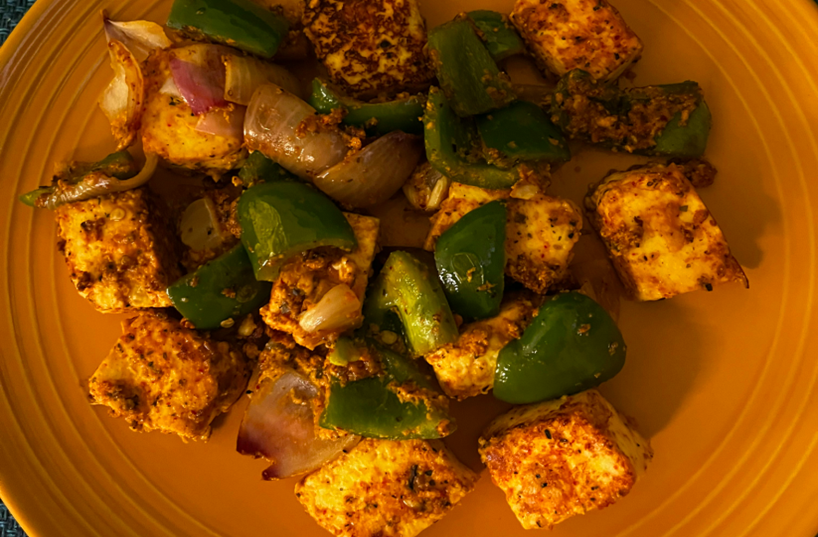
Introduction to Paneer and Its Versatility
Paneer, a fresh cheese, holds a significant place in Indian cuisine, renowned for its delicate texture and versatility. Unlike many other cheeses, paneer is not aged, which contributes to its mild flavor profile. This quality makes it an ideal ingredient for a wide array of dishes, from rich gravies to simple stir-fries. Its ability to absorb surrounding flavors renders it a favorite among home cooks and professional chefs alike.
Nutritionally, paneer is a powerhouse; it is rich in protein, making it an excellent option for vegetarians seeking to meet their dietary needs. A serving of paneer offers a substantial amount of calcium and essential nutrients, promoting healthy bones and overall well-being. This makes paneer not just a culinary delight but a beneficial addition to a balanced diet.
In the context of Indian cooking, paneer is used in diverse recipes that highlight its adaptability. It can be cubed and sautéed, blended into creamy sauces, or incorporated into curries, showcasing its ability to complement various spices and vegetables. Dishes such as palak paneer, paneer butter masala, and shahi paneer are just a few examples of how paneer is celebrated across regional cuisines, each offering a unique take on this beloved ingredient.
Beyond Indian cuisine, paneer has found its way into international culinary practices, utilized in salads, sandwiches, and even desserts. This global appreciation underscores paneer’s versatility and appeal, allowing it to transcend cultural boundaries. With its mild flavor and sturdy texture, paneer serves as an excellent canvas for culinary creativity, inviting cooks to experiment and innovate in their kitchens.
Ingredients Needed for the Dish
To prepare the delicious soft paneer cubes in a creamy tomato and butter sauce, it is essential to gather a variety of key ingredients that contribute to the dish’s rich flavors and satisfying texture. The primary component of this recipe is, of course, paneer. Approximately 250 grams of fresh paneer is recommended, which can be cut into cubes to achieve the perfect consistency when cooked.
Next, the tomato base is crucial for creating the creamy sauce. Fresh tomatoes are preferred for their natural sweetness and vibrant color; around 400 grams should suffice. In case fresh tomatoes are not available, canned crushed tomatoes can be used as an alternative. Alongside these core ingredients, butter plays a vital role in adding richness to the dish; using approximately 50 grams of unsalted butter is ideal for this recipe.
To achieve the creamy texture characteristic of this dish, around 100 milliliters of heavy cream is necessary. This will blend seamlessly with the tomato mixture, enhancing the overall flavor. Various spices are also essential for elevating the taste of the sauce. A combination of cumin seeds, garam masala, turmeric, and red chili powder (about 1 teaspoon each) can be included to provide warmth and depth. Furthermore, salt should be added to taste, ensuring the dish is perfectly balanced.
Optional ingredients for customization include additional vegetables like bell peppers or peas, which can be sautéed with the paneer for added nutrition and flavor. Additionally, for those seeking a bit of a twist, alternative sauces such as coconut milk can be included to introduce a subtle sweetness. The choice of spices can also be adjusted according to personal preferences, making this dish versatile and appealing to a broad range of palates.
Preparing the Paneer: Tips and Techniques
To achieve the perfect texture in your creamy tomato and butter sauce, the preparation of paneer is critical. First, you must decide whether to use store-bought or homemade paneer. Store-bought options are often convenient, but they may lack the freshness and flavor of homemade varieties. If you choose to make your own, boiling milk and curdling it with lemon juice or vinegar is a commonly used method. After straining, wrap the curds in a cloth and press them under a weight for a few hours to ensure optimal firmness.
Once you have the paneer ready, the next step involves cutting it into cubes. Start by selecting a well-chilled block of paneer, as it is easier to handle. A sharp knife is essential to create even cubes, typically about one-inch in size, which ensures even cooking. Be gentle when slicing, as paneer can crumble easily if handled too roughly. If you find that the paneer is too firm, consider soaking it in warm water for 15-20 minutes, which will help to soften the texture, enabling it to absorb the rich flavors of the sauce.
As you prepare your dish, remember that the way paneer is cooked also impacts its final texture. Gently frying or lightly sautéing cubed paneer in butter may enhance its taste and create a delicate golden crust, providing an interesting contrast to the smooth sauce. It is important not to overcook the cubes, as this can turn them rubbery. Instead, aim for a quick sear before adding them to your creamy tomato and butter sauce. This method not only enhances the flavor profile but also maintains the appealing softness that is ideal for this dish.
Making the Creamy Tomato and Butter Sauce
To create a rich and flavorful creamy tomato and butter sauce, start by carefully sautéing finely chopped onions in a pan over medium heat. The onions should be cooked until they become translucent and soft, which typically takes about 5 to 7 minutes. This initial step is crucial as it forms the base flavor for the sauce. You can enhance the depth of flavor by incorporating minced garlic, allowing it to cook for about a minute until fragrant.
Next, the key ingredient—tomatoes—should be prepared. For this sauce, using fresh, ripe tomatoes is preferred, but canned tomatoes can be a convenient alternative. If using fresh tomatoes, peel and chop them, then blend them to achieve a smooth consistency. The resulting tomato purée should be added to the pan with the sautéed onions and garlic. Allow the blend to simmer, stirring occasionally, which helps the flavors meld together while reducing the sauce to your desired thickness.
As the tomato mixture simmers, spice up the sauce with fresh spices such as cumin, coriander, and a touch of turmeric. These spices not only contribute aromatic qualities but also enhance the overall taste of the dish. The use of fresh herbs like basil or cilantro can further elevate the sauce’s flavor profile. It is crucial to season the sauce well with salt and pepper during the cooking process to achieve balance among the ingredients.
To incorporate creaminess, reduce the heat and gently stir in a generous amount of butter and heavy cream. The key is to allow the butter to melt completely, creating a velvety texture. This combination of ingredients ensures that the sauce is not only creamy but also rich in flavor, perfectly complementing the soft paneer cubes that will be added later. By following these steps, the creamy tomato and butter sauce becomes a delightful base for your culinary masterpiece.
Cooking the Paneer in the Sauce
Cooking paneer in a creamy tomato and butter sauce is crucial for achieving a rich and flavorful dish. This process ensures that the soft paneer cubes absorb the robust flavors of the sauce, enhancing their taste and texture. To begin, it is advisable to cube the paneer into bite-sized pieces, typically around one-inch squares, to ensure even cooking. Fresh paneer is recommended, as it tends to be softer and will provide a more succulent experience compared to firm varieties.
After preparing the sauce, which includes tomatoes, butter, cream, and a blend of spices, gently add the paneer cubes. At this stage, the key is to simmer the dish rather than boil it, as excessive heat can make the paneer tough. Maintain a low to medium flame to allow the paneer to heat through while soaking up the delicious flavors from the sauce. Simmering the paneer for approximately 10 to 15 minutes is typically sufficient for achieving the desired results. During this time, gently stir the mixture to coat the paneer cubes without breaking them apart.
It is also beneficial to occasionally taste the sauce during cooking, adjusting the seasoning, if necessary. For those who prefer added depth to the flavor profile, consider adding a splash of kasuri methi (dried fenugreek leaves) towards the end of the cooking process. This can enhance the taste of the creamy tomato and butter sauce. Additionally, to ensure that the paneer remains soft and delectable, transferring the dish to a serving bowl immediately after cooking is advisable. This prevents continuous cooking in the hot pot, which could alter the paneer’s texture negatively. Following these guidelines will ensure that your culinary delight is nothing short of exquisite.
Serving Suggestions and Pairing
When it comes to serving the delectable soft paneer cubes in creamy tomato and butter sauce, the key lies in enhancing the dish’s rich and velvety flavors through careful pairing and presentation. This generous dish complements a variety of breads, making naan or roti excellent choices. The soft texture of these Indian breads is ideal for scooping up the creamy tomato sauce, providing a delightful experience with every bite. Tandoori naan, with its slightly charred edges, especially elevates the flavor profile of this dish.
For those who prefer rice, fragrant basmati rice or jeera rice can pair beautifully with the creamy concoction. The lightness of the rice not only balances the richness of the paneer but also helps soak up the flavorful sauce, creating a harmonious combination. Additionally, a serving of flavored rice pilaf or lemon rice can introduce subtle notes that further enhance the taste experience. For an even more indulgent option, consider serving the paneer alongside pulao, which is often infused with spices and aromatics that work well within the context of this meal.
To elevate the presentation of the dish, garnishing plays a crucial role. Fresh cilantro or parsley can be finely chopped and sprinkled atop the dish, adding a burst of color and freshness. A spoonful of cream drizzled over the top not only enhances its visual appeal but also accentuates the creamy texture. For an additional layer of flavor, consider sprinkling some crushed kasuri methi (dried fenugreek leaves) or a hint of chili powder for an enticing touch that entices the palate. Ultimately, the combination of well-paired accompaniments and thoughtful garnishes will result in a truly stunning serving of soft paneer cubes in creamy tomato and butter sauce, perfect for any occasion.
Nutritional Benefits of Ingredients
Delicious soft paneer cubes, when combined with a creamy tomato and butter sauce, create a dish that is not only visually appealing but also nutritionally beneficial. The primary ingredients—paneer, tomatoes, and butter—each contribute unique health advantages that can enhance the overall meal experience.
Starting with paneer, this fresh cheese is an excellent source of protein, making it a staple in vegetarian diets. A 100-gram serving of paneer typically contains around 18 grams of protein, which is vital for muscle growth and repair. Additionally, paneer is rich in calcium, essential for maintaining strong bones and teeth, as well as promoting heart health. It also provides a good amount of phosphorus, which plays a crucial role in energy production and cellular functioning.
Tomatoes, another key ingredient, are packed with vitamins and minerals. They are an excellent source of vitamin C, which is important for immune function and skin health. Moreover, tomatoes contain lycopene, a powerful antioxidant that may reduce the risk of chronic diseases, including certain cancers and heart disease. The presence of potassium in tomatoes also aids in maintaining healthy blood pressure levels.
Butter, while high in calories and fat, offers several health benefits when consumed in moderation. It contains healthy fats that can help support cellular health. Butter is a source of fat-soluble vitamins, especially vitamin A, which is essential for vision, immune function, and skin health. Choosing high-quality butter that is free from additives can enhance the nutritional profile even further.
Incorporating these ingredients into a dish allows individuals to enjoy a meal that is both satisfying and rich in nutrients. By understanding the health benefits of paneer, tomatoes, and butter, it becomes clear that this culinary delight is a smart choice, promoting both taste and health.
Tips for Customization and Variations
When it comes to cooking, flexibility is key, especially with a delightful dish like paneer cubes in creamy tomato and butter sauce. One of the easiest ways to customize this recipe is through the incorporation of various spices. Traditional Indian spices such as cumin, coriander, and garam masala can elevate the flavor profile. For an aromatic twist, consider adding fennel seeds or a dash of smoked paprika. Each spice will impart a unique essence, allowing you to tailor the dish to your palate.
If you prefer a spicier version, include green chilies or red chili powder during the cooking process. Conversely, for a milder flavor, you can reduce the amount of spicy elements or substitute them with sweeter spices like cinnamon or nutmeg. Adjusting the heat level not only personalizes the dish but also complements the creaminess of the sauce.
In terms of nutrition, integrating additional vegetables can greatly enhance the dish’s health benefits. Bell peppers, peas, or spinach can easily be added without compromising the integrity of the sauce. Sautéing these vegetables before mixing them with the paneer cubes can help retain their texture and flavor, providing both visual and nutritional appeal.
For those seeking a vegan alternative, replacing paneer with tofu is an excellent option. Firm tofu provides a similar texture while absorbing the rich flavors of the sauce. To create a truly vegan dish, substitute dairy-based cream with coconut cream or cashew cream, maintaining the velvety richness that characterizes this culinary delight. These substitutions not only cater to dietary preferences but also broaden the dish’s overall appeal.
Storing and Reheating Leftovers
Proper storage of leftovers from the delicious paneer cubes in creamy tomato and butter sauce is essential to maintain their flavor and texture. To begin with, once you have finished serving your meal, it is advisable to allow the dish to cool down to room temperature. This step is crucial, as placing hot food directly into the refrigerator can raise the overall temperature within the appliance, potentially affecting the freshness of other stored items.
After cooling, transfer the paneer dish into an airtight container. Glass containers are often preferred due to their ability to withstand microwaving and their non-reactive nature—essential for preserving the flavors of the creamy tomato sauce. If glass is unavailable, high-quality plastic containers will suffice as long as they are labeled as microwave-safe. Ensure that the paneer includes enough sauce to keep it moist during storage.
The creamy paneer can generally be stored in the refrigerator for up to three to four days. For longer storage, consider freezing the leftovers. In this case, it is recommended to use freezer-safe containers or heavy-duty freezer bags to prevent freezer burn. Properly stored in the freezer, the dish can last for up to three months without significant loss of quality.
When it comes to reheating leftovers, it is best to do so gently. If using a microwave, place the paneer dish in a microwave-safe container, cover it loosely with a lid or microwave-safe wrap, and heat in short intervals, stirring occasionally. This method ensures even heating while preventing the paneer from becoming rubbery. Alternatively, you may reheat on the stovetop over low heat, adding a splash of water or sauce if necessary to maintain the creamy consistency. By following these guidelines, you can enjoy the delightful culinary experience of creamy paneer even after the initial meal is finished.