
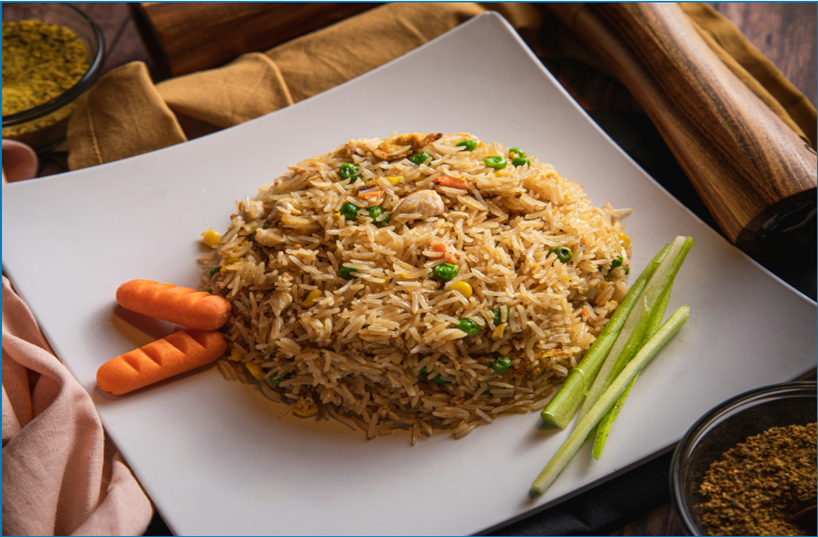
Introduction to Colorful Fried Rice
Colorful fried rice is not just a meal; it is an experience that brings together a palette of vibrant hues, inviting aromas, and delightful textures. This dish stands out for its versatility, allowing cooks to incorporate a variety of ingredients based on personal preferences or seasonal availability. At its core, colorful fried rice showcases an array of mixed vegetables, which not only enhance its aesthetics but also contribute essential nutrients, making it a nutritious choice for individuals and families alike.
One of the noteworthy aspects of colorful fried rice is its preparation time, making it an ideal option for busy individuals. In just a matter of minutes, a simple combination of cooked rice, assorted vegetables, and proteins can be transformed into a satisfying dish. The frying process elevates the ingredients, bringing out their natural flavors, while the addition of soy sauce or spices can create an exciting twist. This adaptability makes colorful fried rice suitable for various dietary needs, whether one is vegetarian, vegan, or seeking to incorporate more protein into their meals.
Moreover, the visual appeal of colorful fried rice cannot be understated. The vibrant colors from vegetables such as carrots, peas, bell peppers, and corn create a feast for the eyes and can be especially enticing for children, often encouraging them to explore healthy eating. The aesthetic nature of this dish can also make meal times more enjoyable, fostering a positive atmosphere around the dining table. Whether served as a standalone dish, side, or during special occasions, colorful fried rice has earned its place as a beloved meal choice that marries convenience with nutrition.
Choosing the Right Vegetables
When preparing fried rice, selecting the right vegetables is paramount to achieving a dish that is not only delicious but also visually appealing. The ideal vegetables should be fresh, colorful, and varied in texture and flavor to create a harmonious blend. A mix of vibrant hues can make the dish more inviting and enhance the overall taste experience. It’s important to consider factors such as freshness, seasonal availability, and personal preference when choosing your produce.
Popular choices for fried rice include bell peppers, peas, carrots, and corn. Bell peppers come in various colors – red, yellow, and green – and add a crisp texture along with a hint of sweetness. They can be diced or sliced to create a beautiful contrast against the rice. Peas, often seen in many fried rice recipes, provide a burst of sweetness and a tender bite, making them a staple ingredient. Carrots, when finely diced or shredded, contribute a subtle crunch and a slightly sweet flavor that complements the other vegetables. Additionally, corn brings a delightful sweetness and a chewy texture that enhances the overall flavor profile.
For those looking to introduce unique flavors and textures, consider incorporating vegetables like broccoli, zucchini, or snap peas. Broccoli adds a delightful crunch and a mild earthy flavor, while zucchini can contribute a refreshing element to the dish. Snap peas offer a sweet, crunchy bite that can elevate the entire meal. Ultimately, the key is to achieve a balance of colors, textures, and flavors, ensuring a well-rounded dish that satisfies both the palate and the eye.
The Perfect Rice: Types and Cooking Methods
When it comes to creating the ideal fried rice, the choice of rice plays a crucial role. Various types of rice can yield distinct textures and flavors, significantly enhancing the overall dish. Among the most popular options are jasmine rice, basmati rice, and brown rice, each offering unique benefits for fried rice.
Jasmine rice, a long-grain rice known for its delicate floral aroma and soft texture, is a preferred choice for fried rice. This type of rice cooks up fluffy, allowing the grains to remain distinct rather than clump together. To prepare jasmine rice, rinsing before cooking is essential to remove excess starch, which helps prevent a mushy outcome. Cooking jasmine rice with a ratio of one part rice to about 1.5 parts water ensures it emerges perfectly cooked and ready for frying.
Basmati rice, originating from the Indian subcontinent, is another excellent choice for fried rice. Renowned for its long, slender grains and nutty flavor, basmati rice can bring an aromatic quality to your dish. Similar to jasmine rice, it should be rinsed to achieve the desired texture. A cooking ratio of one part basmati to two parts water tends to yield optimal results. Once cooked, it’s advisable to let the rice cool completely before using it for frying, as cooled rice prevents stickiness.
Brown rice offers a nutritious alternative, being a whole grain that retains its bran and germ. Although it may require a longer cooking time and more water — approximately 1 cup of brown rice to 2.5 cups of water — it provides additional fiber and nutrients. Cooking brown rice in advance and refrigerating it can enhance its texture for frying, as it helps firm up the grains, resulting in a tasty and colorful fried rice.
Essential Seasonings and Sauces
When it comes to crafting a delectable fried rice dish, the choice of seasonings and sauces can elevate the flavor profile significantly. Soy sauce is a staple ingredient that lends a savory depth to the rice, enabling it to absorb rich umami notes. Its saltiness adds just the right amount of seasoning, balancing the overall dish while enhancing the natural flavors of the mixed vegetables.
Sesame oil is another essential component that plays a pivotal role in achieving a well-rounded taste. A few drops of this nutty oil can impart a warm aroma and a distinct flavor that is characteristic of Asian cuisine. The oil should ideally be added towards the end of cooking to ensure that its essence is preserved, allowing its flavor to shine through without being overshadowed by the heat of the cooking process.
Garlic and ginger are key aromatics that enhance fried rice with their fragrance and zest. Garlic offers a robust, savory bite, while ginger introduces a hint of spiciness and freshness. Together, they create a harmonious blend that complements the other ingredients beautifully. Incorporating fresh or minced versions of these ingredients can significantly improve the overall taste and complexity of the dish.
For those wishing to personalize their fried rice, additional seasonings can be introduced. Ingredients such as oyster sauce or chili paste can provide an extra layer of flavor and heat, appealing to diverse palates. Adjusting the proportion of these seasonings can help tailor the dish to match individual taste preferences, ensuring a satisfying meal every time. Ultimately, experimenting with different combinations of sauces and seasonings is encouraged, allowing each cook to develop their own signature fried rice recipe.
Quick Meal Preparation: Step-by-Step Guide
Preparing a delicious and colorful fried rice with mixed vegetables can be both straightforward and efficient. To begin, gather all necessary ingredients, which typically include cooked rice, assorted mixed vegetables (such as peas, carrots, and bell peppers), soy sauce, garlic, and sesame oil. Ideally, use day-old rice as it is less sticky and yields better results. Before starting the cooking process, ensure all your vegetables are chopped and ready to use; this will reduce cooking time significantly.
First, heat a large skillet or wok over medium-high heat. Add a small amount of sesame oil; this will add flavor to your fried rice while preventing it from sticking. Once the oil is hot, add minced garlic for aromatics. Stir it quickly to prevent burning, usually around 30 seconds. Next, incorporate the mixed vegetables and sauté them for about 2-3 minutes, or until they become tender yet still vibrant in color.
Once the vegetables are cooked, push them to one side of the pan. In the cleared area, introduce the cooked rice. Break apart any clumps and allow it to fry for a couple of minutes. At this point, drizzle soy sauce over the rice and gently stir everything together. Ensure the mixture is heated through, allowing all flavors to meld uniformly.
For additional protein, consider adding scrambled eggs or cooked chicken, shrimp, or tofu, depending on your dietary preferences. These should be cooked prior to mixing in and should be folded into the rice during the last minutes of cooking. Check the seasoning and adjust with more soy sauce or spices as desired.
By following this efficient step-by-step guide, you can prepare colorful fried rice in approximately 20 minutes. This quick meal idea is perfect for busy days, allowing you to enjoy a nutritious and flavorful dish without spending hours in the kitchen.
Variations on the Classic Recipe
The classic fried rice recipe serves as a versatile foundation for countless variations. By simply adding different proteins, vegetables, or sauces, one can create a diverse array of dishes tailored to individual tastes and dietary requirements. One popular variation involves incorporating proteins such as chicken, shrimp, or tofu. For those who enjoy meat, adding diced chicken breast or shrimp can elevate the dish, while providing additional flavor and nutrients. Alternatively, tofu serves as an excellent protein source for vegetarians, offering a delightful texture and the ability to absorb the surrounding flavors.
Additionally, the choice of seasonings plays a crucial role in the final taste of the fried rice. Soy sauce is the traditional choice, but experimenting with different sauces such as teriyaki, hoisin, or sriracha can give the dish a unique twist. Beyond sauces, integrating herbs like cilantro or green onions can add freshness and depth to the flavor profile. This flexibility allows home cooks to adapt the dish to suit seasonal ingredients or whatever happens to be on hand.
For those with specific dietary preferences, modifications to the classic recipe are straightforward. For instance, a vegetarian version can be easily achieved by omitting meat and using vegetable-based sauces or broth. Gluten-free adaptations can be made simply by substituting traditional soy sauce with tamari or coconut aminos. In each case, the core essence of fried rice remains, while catering to various dietary needs. This adaptability not only makes fried rice a quick meal idea but also one that can be enjoyed by everyone, regardless of preferred ingredients.
Serving Suggestions: Pairing and Presentation
To elevate the dining experience of your delicious and colorful fried rice with mixed vegetables, presentation and pairing play crucial roles. First, consider the serving method. A well-chosen platter can enhance the visual appeal of the dish. Opt for a large, shallow white platter that allows the vibrant colors of the fried rice to stand out. For an elegant touch, consider garnishing the rice with sliced green onions, sesame seeds, or fresh cilantro, which not only adds visual appeal but also a hint of freshness to each serving.
Complementing the fried rice with side dishes can create a more balanced meal. A light, tangy cucumber salad is an excellent choice; its crisp texture and refreshing flavor provide a lovely contrast to the savory rice. Alternatively, a small bowl of miso soup can be a comforting addition, its warmth enhancing the flavors of the fried rice. You might also consider serving a few spring rolls on the side, which could add a different texture and make the meal more fulfilling.
For those who appreciate a kick of flavor, a dipping sauce can be offered alongside the fried rice. A simple soy sauce mixed with a hint of chili paste or a homemade ponzu sauce can provide a delightful enhancement. This allows guests to personalize their flavor experience and adds an interactive element to the meal. For presentation, consider serving the sauces in small, elegant bowls placed beside the fried rice. This not only organizes the dining space but also invites guests to explore different flavor profiles.
Ultimately, the key to a visually appealing and enjoyable meal is variety and balance. By thoughtfully pairing and presenting your colorful fried rice with mixed vegetables, you enhance not only the aesthetic but also the gastronomic experience, making each meal memorable.
Storing and Reheating Leftovers
Leftover fried rice with mixed vegetables can be a delightful meal option, but proper storage is crucial to maintain its flavor and texture. When it comes to refrigeration, it is advisable to place the fried rice in an airtight container. This prevents moisture and odors from affecting the dish. Ideally, it should be cooled to room temperature before sealing to avoid condensation, which can lead to soggy rice. Leftover fried rice can be safely stored in the refrigerator for up to four days.
If you foresee that your fried rice will not be consumed within this timeframe, consider freezing it. For optimal results, divide the rice into portion-sized servings before freezing, making it easier to thaw only what you need later. Ensure that each portion is securely packed in freezer-safe bags or containers, removing as much air as possible to prevent freezer burn. Properly stored, frozen fried rice can last for up to three months.
When it comes time to reheat your leftover fried rice, several methods can be employed. For microwave reheating, transfer a portion to a microwave-safe bowl, adding a splash of water or broth to maintain moisture. Cover it with a lid or microwave-safe wrap to ensure even heating. Heat on medium power for one to two minutes, stirring occasionally for uniform results. Alternatively, you can opt for the stovetop method, which may yield better texture. Heat a non-stick skillet over medium heat, adding a small amount of oil. Once the oil is warm, add the fried rice and stir frequently for about five to seven minutes, until heated through.
This careful approach to storing and reheating will help preserve the delicious flavors and vibrant colors of your fried rice with mixed vegetables, allowing you to savor the dish even after the initial meal.
Conclusion: Embracing Creative Cooking
In the world of culinary arts, embracing creativity in cooking can lead to delightful and satisfying meals. Fried rice is an exemplary dish that showcases such creativity, serving as a canvas for a multitude of ingredients and flavors. Its versatility is not only appealing to the palate but also enables individuals to adapt the dish according to seasonal produce, personal preferences, or dietary needs. Whether you opt for a classic vegetable laden mix or venture into more exotic components, the possibilities with fried rice are indeed limitless.
This quintessential quick meal can be prepared in various ways, encouraging home cooks to experiment and innovate. By incorporating leftover vegetables, proteins, or unique spices, one can create a signature fried rice that reflects individual taste. The incorporation of a range of colors and textures not only enhances the visual appeal of the dish but also promotes nutritional balance. Hence, much like a painter with a palette, cooks can leverage the diverse range of ingredients available to them, transforming simple fried rice into an extraordinary culinary experience.
Moreover, the simple preparation process allows for a swift culinary endeavor, making it an excellent choice for busy weekdays. As families and individuals seek nutritious meal options without spending hours in the kitchen, fried rice stands out as a practical solution. The act of cooking can become a joyful exploration, allowing one to discover new flavor dynamics between various ingredients, from classic vegetables to bold seasonings.
In conclusion, embracing creativity in the kitchen not only enhances the cooking experience but also invites a sense of adventure. So, gather your ingredients, experiment freely, and let your own vibrant version of fried rice come to life—a meal that is as enjoyable to prepare as it is to savor.